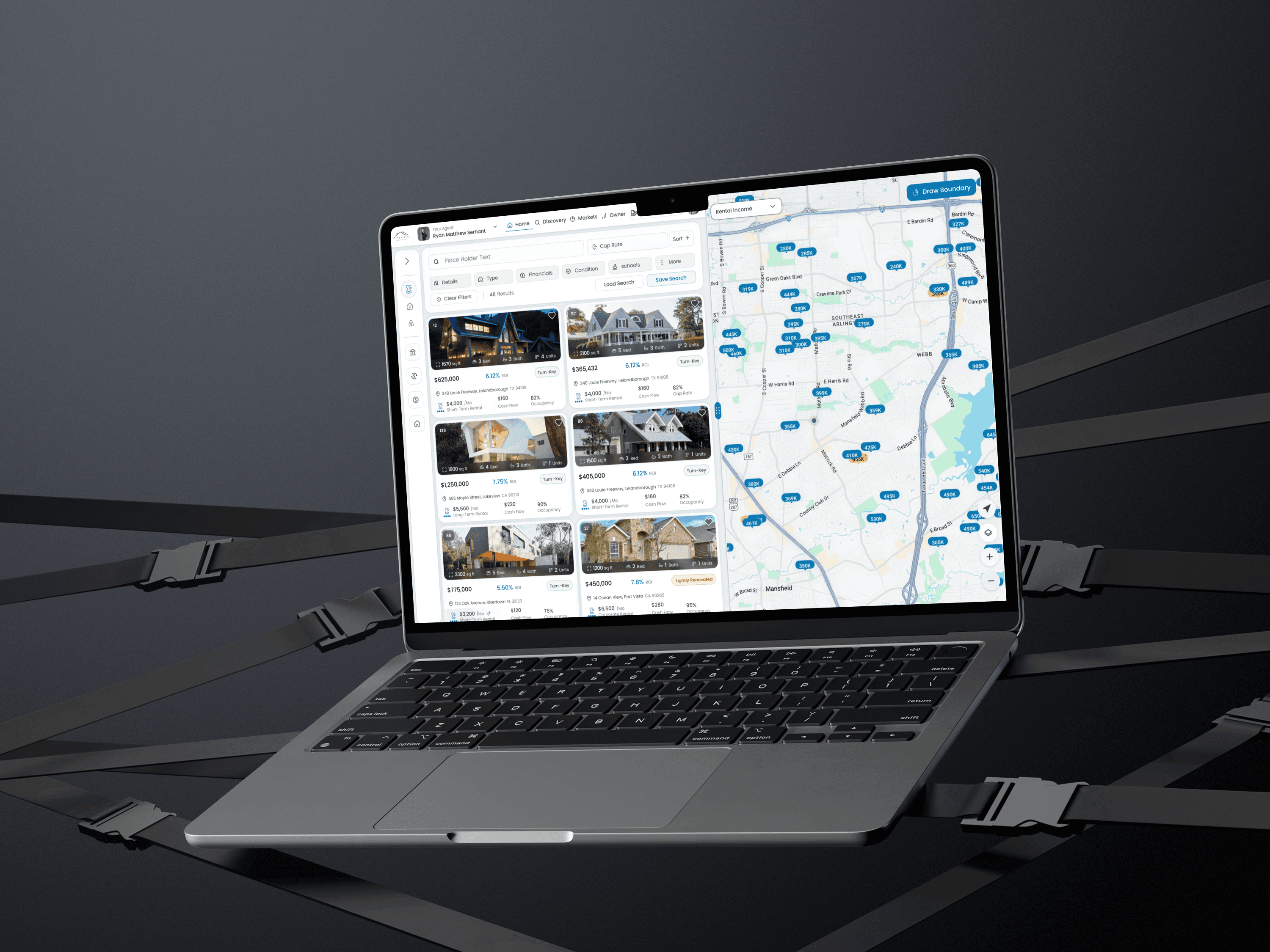
PropLytics - Landing Page
Conversion-focused marketing platform built to scale updates, improve SEO, and separate product engineering from growth operations.
Professional Project
See Related Website
Role
Lead Designer
Industry
WebDesign
Project Time-line
2.5 weeks • 2026
Overview
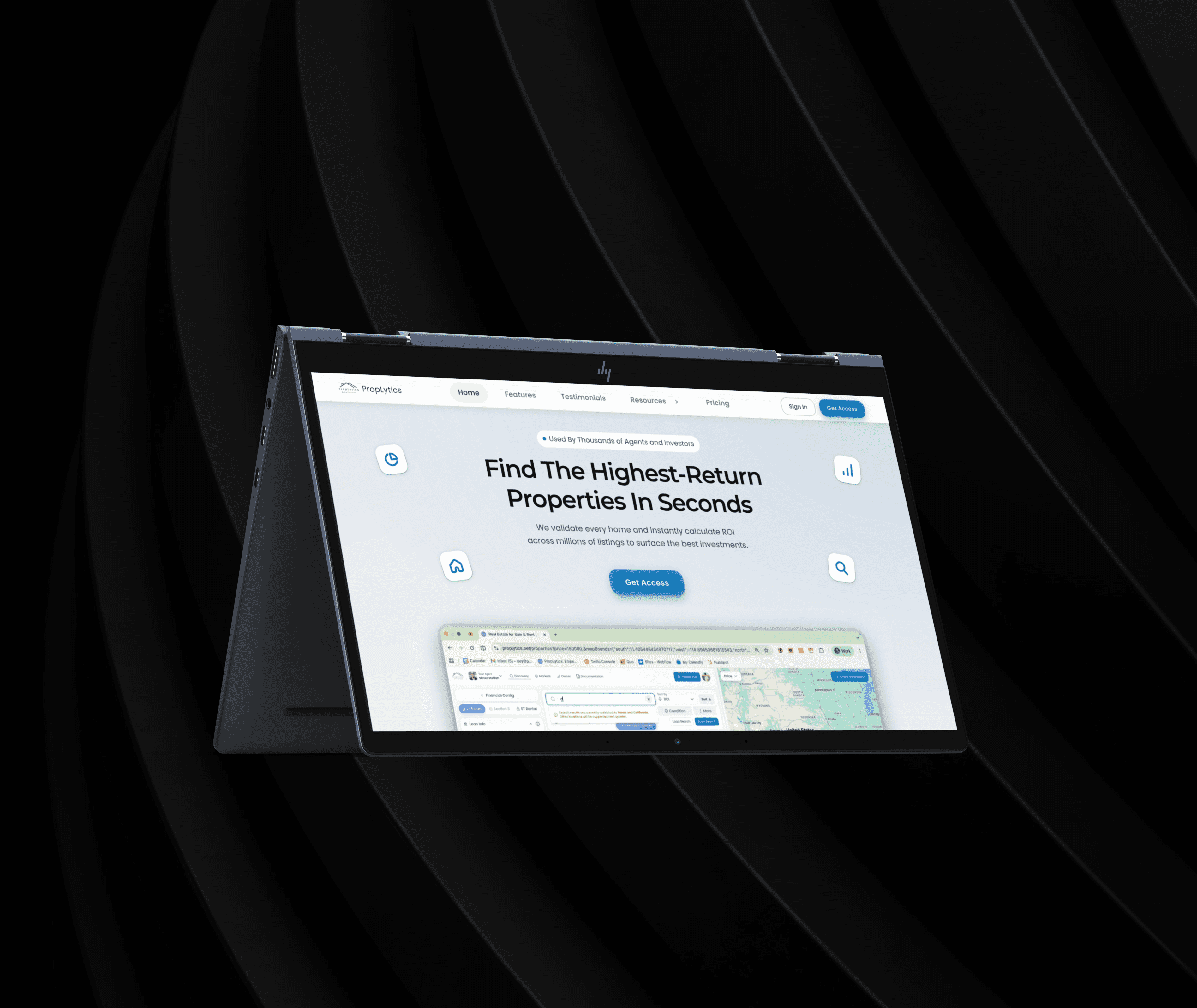
The PropLytics landing site is the company’s primary acquisition channel and must clearly communicate value while driving conversions. As the product grew, the development team was handling both core features and marketing updates, creating bottlenecks and slowing growth. I proposed separating the landing platform from the core product, reducing engineering pressure and giving sales and design direct control over messaging and experimentation. This shift enabled faster updates, feature requests, direct user messaging, and improved engagement tracking—turning the site into a scalable growth tool.
Problem
The team was stretched across product and marketing work, slowing landing page updates, limiting experimentation, and making live updates hard to manage safely.
Contraints
Short turnaround for full webpage with blog, documentation and landing page as the only person planning and making the website; feature-full website.
Goals
Build a scalable marketing system that boosts conversions, improves SEO, and enables rapid iteration without relying on developers.
Outcome
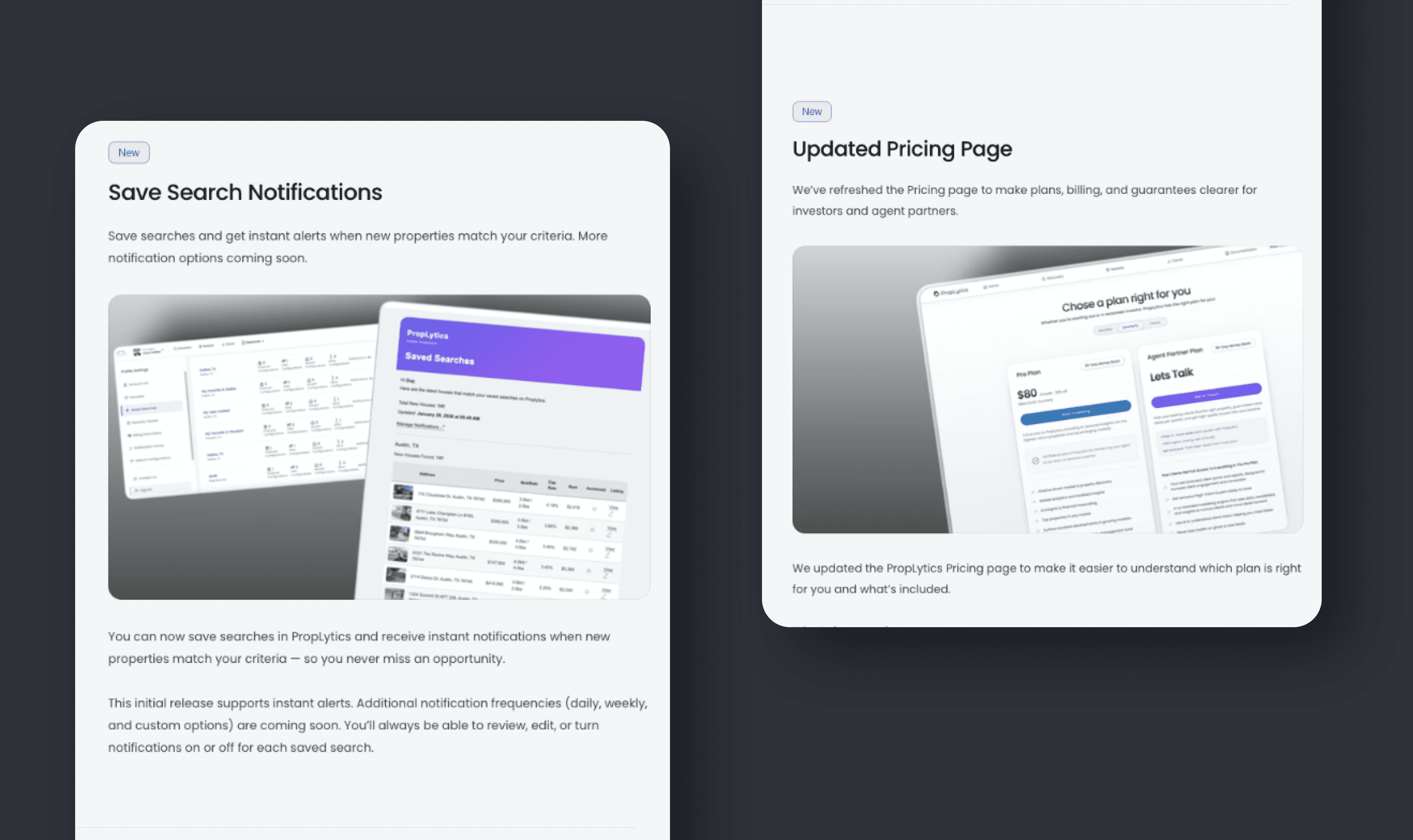
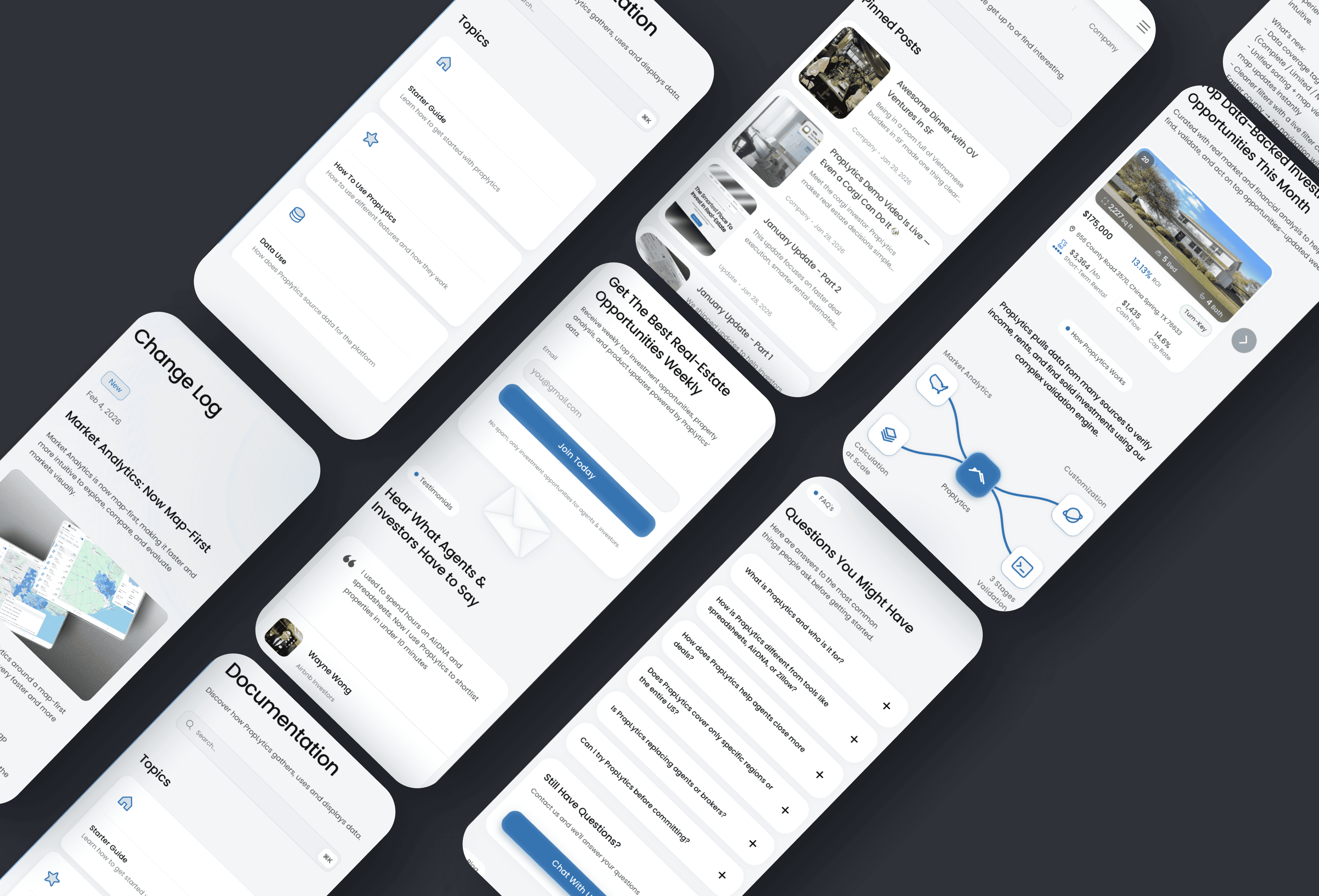
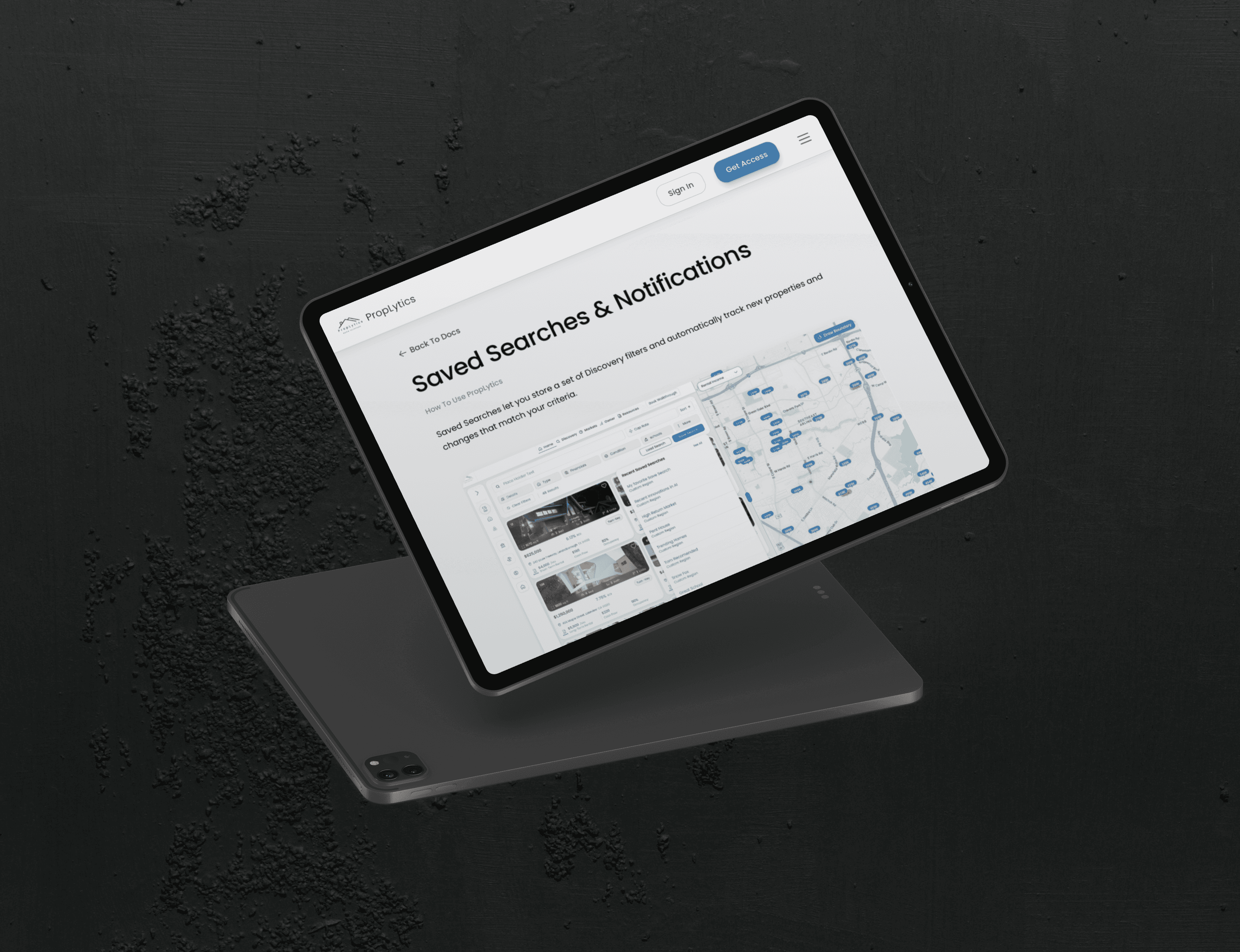
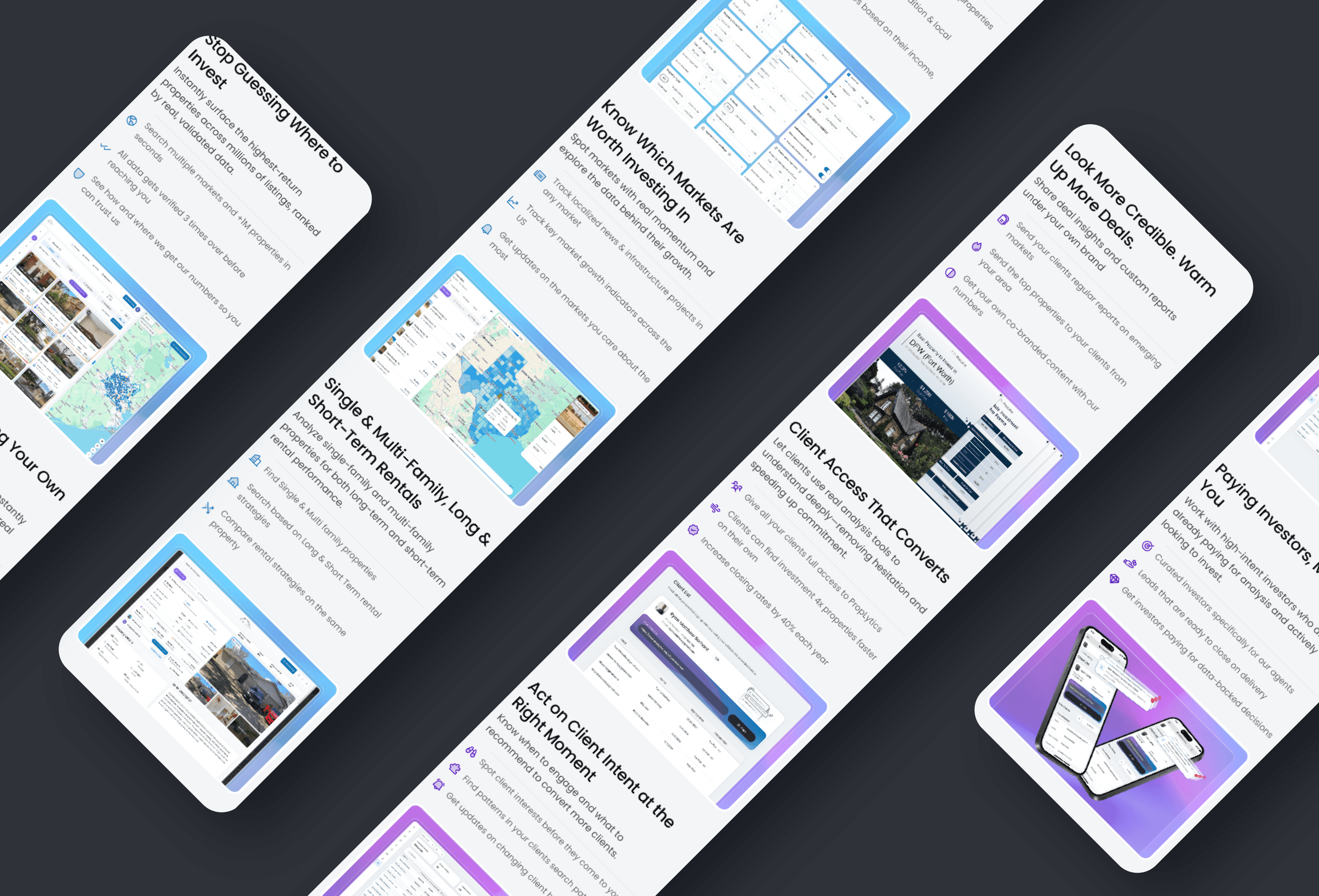
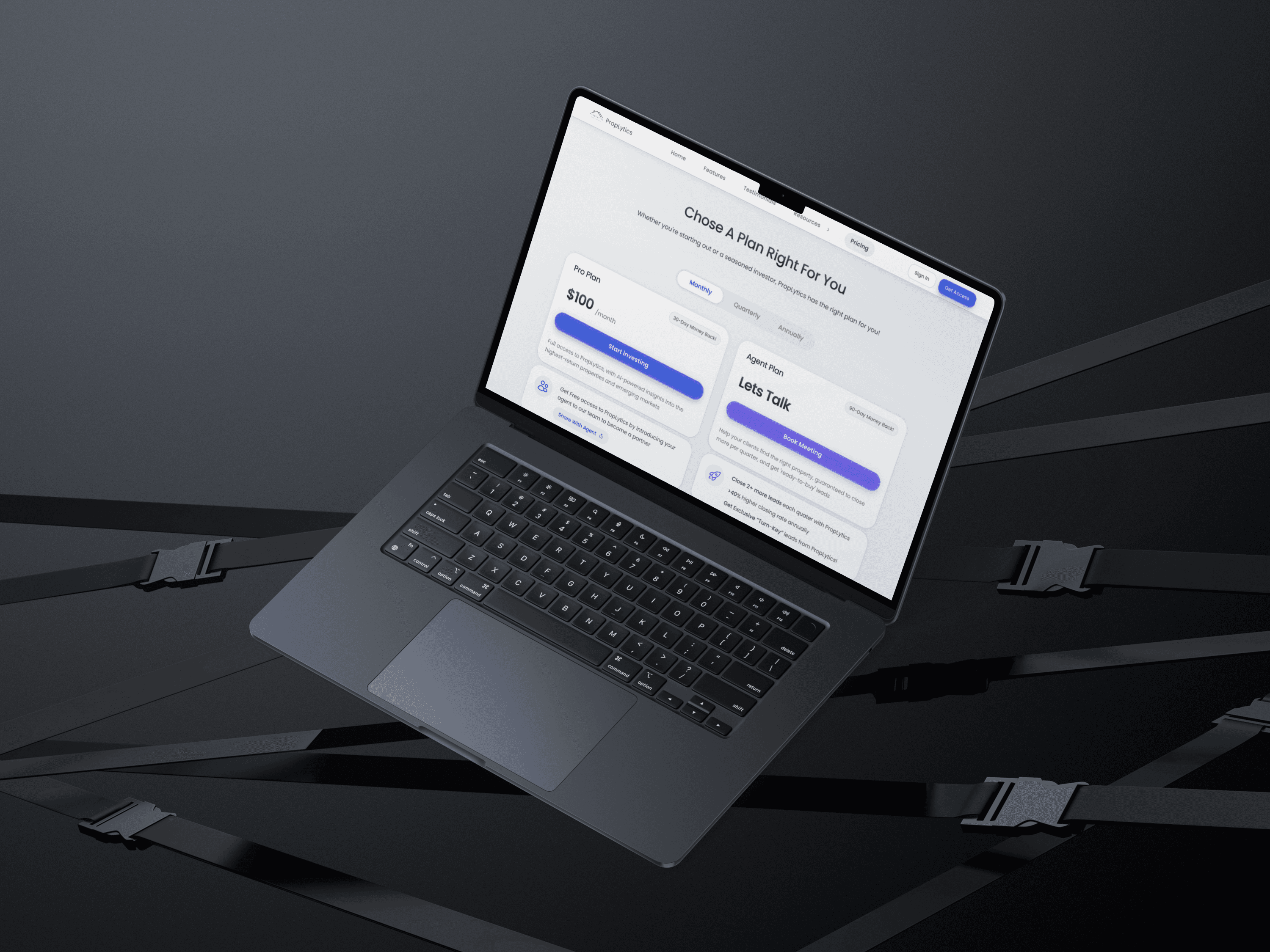
The landing platform was successfully separated from core product development, giving ownership of marketing content to the design and sales teams. This enabled faster and more dynamic updates, including the launch of a regular updates page, documentation hub, and public changelog—without requiring developer bandwidth. The new structure allowed experimentation with messaging, layout variations, and content strategies aimed at improving conversions. It also made it easier to update featured properties, clarify complex information, and dynamically adjust pages based on content needs while maintaining structural integrity.
Impact
Separating the landing platform reduced pressure on engineering and gave the design and sales teams greater agility. The shift increased traffic by 20%, improved conversions by 5%, and reduced bounce rate by 8%, turning the site into a measurable growth driver rather than a development bottleneck. +20% traffic | -8% Bounce rate | +5% conversion